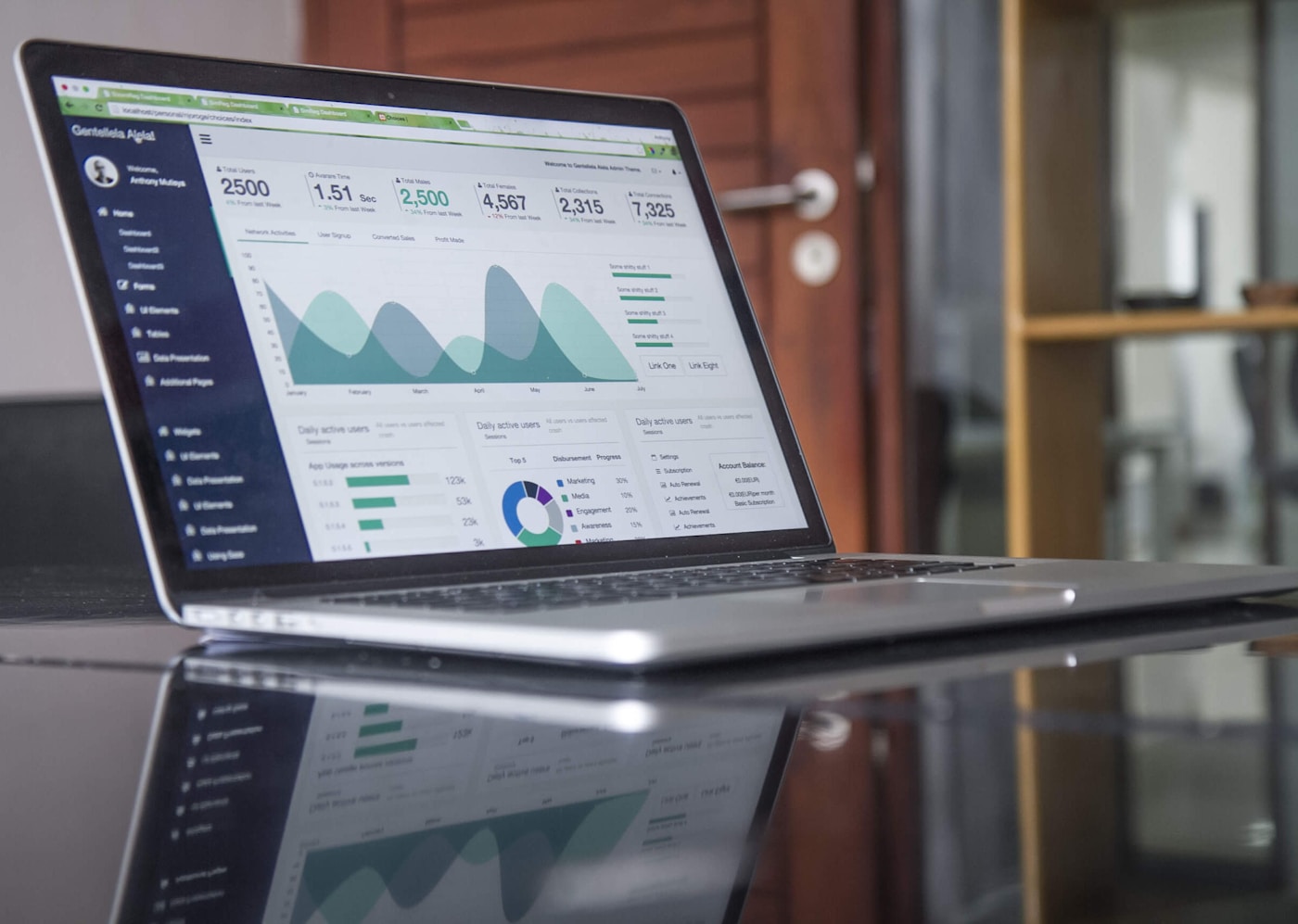
The hum of servers, barely audible, fills the room. On a panoramic display, a complex network of interconnected nodes pulses with data, representing a global supply chain in miniature. This isn't a control room for current operations, but rather a "futures lab"—a sophisticated digital sandbox where scenarios that might unfold months or even years from now are playing out in accelerated time. An executive leans forward, adjusting a parameter: What if a key manufacturing region faces a sudden climate event? Instantly, the digital ecosystem ripples, showing cascading impacts on logistics, inventory, pricing, and even customer sentiment. This is not science fiction; it is the burgeoning reality of the Algorithmic Futures Lab, where artificial intelligence is transforming strategic planning from a reactive exercise into a proactive, iterative exploration of tomorrow.
For decades, businesses have grappled with an accelerating pace of change. Geopolitical shifts, technological disruptions, and climate volatility have made traditional, static forecasting models feel increasingly inadequate. The challenge has always been to anticipate, not just react. What if organizations could run countless "what-if" scenarios, not with educated guesses, but with data-driven, dynamically evolving simulations? This is precisely the promise of AI-powered business simulations. They move beyond simple predictive analytics, which often forecast a single outcome, to create rich, interactive digital environments where the interplay of countless variables can be observed and manipulated.
The Dawn of Dynamic Foresight: Beyond Static Models
Traditional business modeling, while valuable, often relies on historical data and fixed assumptions, yielding a limited view of potential futures. A spreadsheet model might project growth based on past sales, but it struggles to account for a sudden shift in consumer preferences, a new competitor's disruptive entry, or the impact of a novel regulatory framework. This is where the Algorithmic Futures Lab distinguishes itself. It leverages advanced artificial intelligence—particularly machine learning (ML), large language models (LLMs), and causal inference techniques—to construct dynamic representations of real-world systems.
Imagine a digital twin, not just of a physical asset like a factory, but of an entire market or an organization’s operational ecosystem. These AI-powered simulations ingest vast quantities of real-time and historical data—from market trends and economic indicators to social media sentiment and operational logs. Machine learning algorithms identify hidden patterns and relationships within this data, learning how different factors influence one another. For example, an ML model might discover that a specific combination of raw material price fluctuations, shipping delays, and social media buzz around sustainability issues consistently precedes a dip in customer loyalty for a particular product line.
Crucially, these models are not just descriptive; they are prescriptive and generative. They can suggest optimal actions to navigate a scenario or even generate novel scenarios based on emerging trends. For instance, an LLM, trained on a vast corpus of economic reports, geopolitical analyses, and industry news, might identify an emergent risk of supply chain disruption in a specific region, prompting the simulation to explore mitigation strategies before human analysts have even fully processed the news. This ability to "teach as it learns" transforms a static forecast into a living, breathing digital sandbox where strategic hypotheses can be rigorously tested.
Engineering Tomorrow: Building the Algorithmic Sandbox
Constructing an effective Algorithmic Futures Lab is a sophisticated engineering endeavor. It involves integrating several critical components:
Data Ingestion and Synthesis
At its foundation, the system requires a robust pipeline for data ingestion. This includes structured data (sales figures, inventory levels, financial reports) and unstructured data (news articles, social media posts, customer reviews). Many pioneering teams are also leveraging synthetic data—artificially generated data that mimics the statistical properties of real data but protects privacy and can fill gaps where real data is scarce. This allows for the creation of vast, diverse datasets needed to train complex AI models without compromising sensitive information.
Multi-Agent Modeling
One of the most powerful aspects of these simulations is their ability to incorporate multi-agent modeling. Instead of treating a market as a monolithic entity, these simulations represent individual actors—customers, competitors, suppliers, regulators—as autonomous agents with their own decision-making logic, often informed by behavioral economics and AI. When a scenario is run, these agents interact, influencing each other and the overall system in ways that are often unpredictable by traditional methods. For example, a simulated customer agent might switch brands not just because of price, but also due to perceived ethical sourcing or social media influence from other simulated agents.
Causal Inference Engines
While machine learning excels at identifying correlations, causal inference techniques are vital for understanding why things happen. These engines help the simulation distinguish between mere association and genuine cause-and-effect relationships. This is critical for strategic decision-making, as knowing that "A causes B" allows leaders to intervene effectively, rather than just observing that "A and B often occur together." For instance, a causal model might reveal that a price increase only impacts sales significantly when coupled with a specific competitor's marketing campaign, providing nuanced strategic insight.
Interactive Scenario Generation and Visualization
The true power of the Algorithmic Futures Lab lies in its interactivity. Strategists aren't just presented with a pre-cooked forecast; they can actively manipulate variables, introduce new elements, and observe the emergent outcomes in real-time. Intuitive dashboards and immersive visualizations allow teams to explore complex scenarios, compare different strategic pathways, and understand the ripple effects of their decisions. This human-in-the-loop approach ensures that AI acts as an amplifier for human insight, not a replacement.
Strategic Playbooks for an Uncertain Future
The applications of these AI-powered simulations span the entire strategic landscape of an enterprise.
For instance, in supply chain resilience, a common concern in 2026, companies can simulate the impact of geopolitical events, natural disasters, or labor strikes on their global networks. They can test different mitigation strategies—like diversifying suppliers, pre-positioning inventory, or rerouting logistics—and quantify the associated costs and benefits long before a real crisis hits. Many teams find this approach invaluable for identifying single points of failure and building more robust, adaptive supply chains.
In market entry and product development, organizations can simulate how a new product might be received in different markets, how competitors might react, and what pricing strategies would optimize adoption. They can even model the spread of ideas and trends, understanding how to best position their offerings for maximum impact. This allows for rapid, low-cost iteration of strategies in a digital environment, reducing the risk of costly real-world failures.
Furthermore, these labs are being utilized in talent management and organizational design. Leaders can model the impact of different hiring strategies, training programs, or remote work policies on employee satisfaction, productivity, and retention. They can even simulate the spread of organizational culture or the effectiveness of new communication channels, offering insights into fostering a more resilient and adaptive workforce. The result is not a guaranteed outcome, but a significantly more informed decision, often revealing unforeseen opportunities or risks.
Navigating the Labyrinth: Challenges and Ethical Considerations
While the promise of the Algorithmic Futures Lab is immense, its implementation is not without challenges. The quality of the output is inherently tied to the quality of the input data; garbage in, garbage out remains a fundamental truth. Data bias, if embedded in the training data, can lead to skewed or discriminatory predictions, reinforcing existing inequalities rather than revealing objective truths. Careful data curation and ongoing auditing are paramount.
Another significant hurdle is model interpretability. As AI models become more complex, understanding why they arrive at a particular conclusion can become difficult. This "black box" problem can erode trust and make it challenging for human strategists to validate the AI's recommendations. The field of Explainable AI (XAI) is actively developing techniques to make these models more transparent, offering insights into their internal workings and decision paths.
The computational expense of running sophisticated, real-time simulations can also be substantial, requiring significant investment in infrastructure and specialized talent. Furthermore, there's the risk of over-reliance on models, where human intuition and critical thinking might be sidelined in favor of an AI's output. The most effective Algorithmic Futures Labs maintain a crucial balance: AI provides the canvas and the paints, but human strategists remain the artists, guiding the creative process and applying their unique wisdom.
Finally, the ethical implications of predicting and potentially shaping the future are profound. How much influence should these simulations have over critical decisions that impact livelihoods and societies? Ensuring transparency, accountability, and a strong ethical framework around the development and deployment of these tools is a continuous imperative.
The Strategist's New Frontier
As we move deeper into 2026, the Algorithmic Futures Lab is evolving from a cutting-edge concept into a strategic imperative for organizations seeking to thrive amidst relentless change. It's not about predicting a single, deterministic future, but about understanding the probability distribution of many possible futures, and preparing for them proactively.
The integration of these simulations with digital twin technologies—creating living, breathing replicas of entire organizations or operational ecosystems—promises even greater fidelity and real-time responsiveness. As AI capabilities continue to advance and become more accessible, the power to simulate complex futures will likely democratize, moving beyond the largest enterprises to empower a broader range of businesses.
Ultimately, the Algorithmic Futures Lab does not diminish the role of human strategists; it elevates it. By offloading the arduous task of scenario generation and impact analysis to intelligent systems, leaders are freed to focus on what they do best: applying wisdom, fostering creativity, and making courageous decisions based on a far richer understanding of the possibilities that lie ahead. It transforms the boardroom into a dynamic cockpit, where the journey into tomorrow is navigated with unprecedented clarity and foresight.
This article is for general informational purposes only and does not constitute professional advice.