The Quiet Revolution in the Open-Plan Office
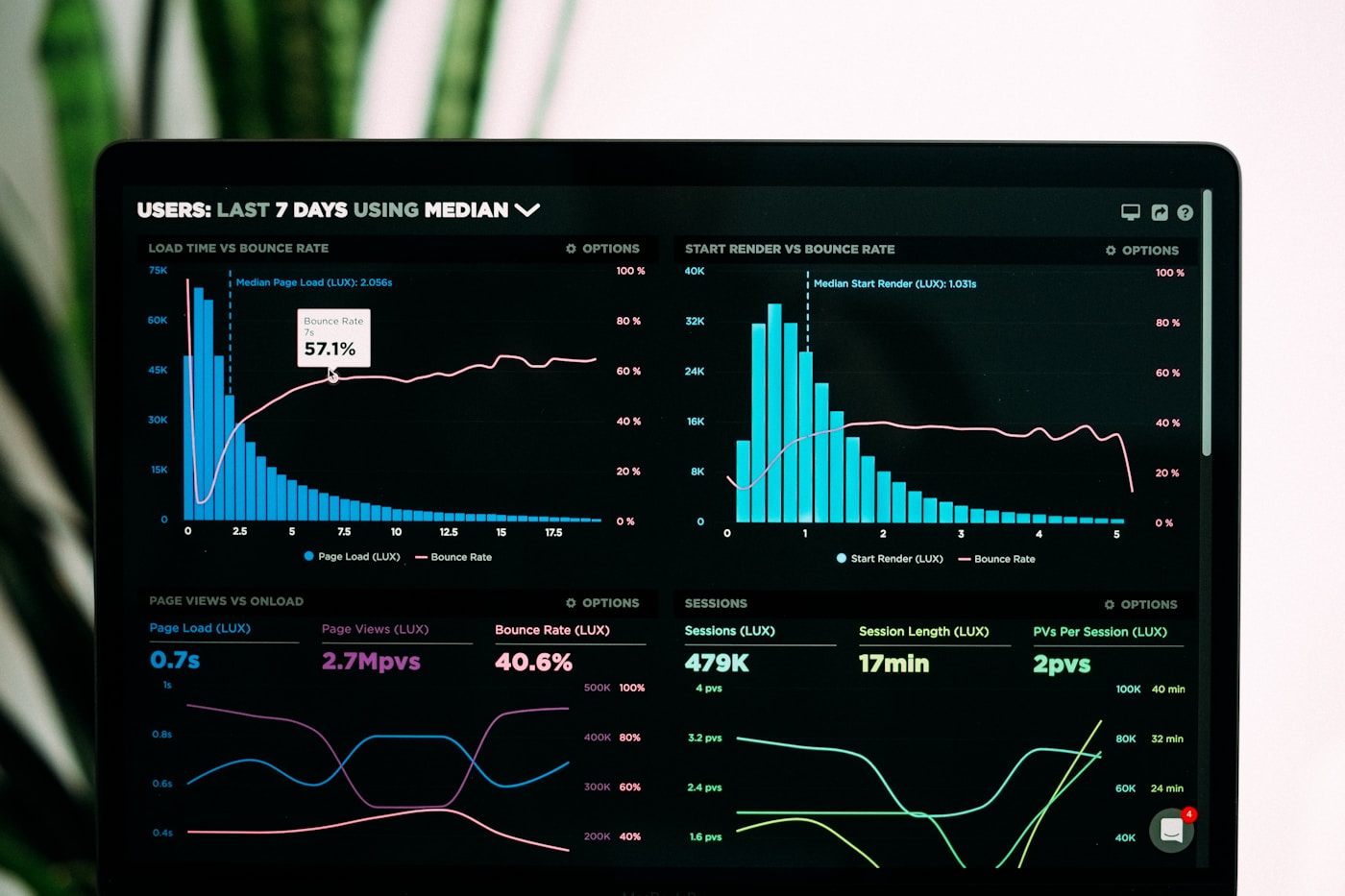
The year is 2026. Sarah, a project lead at a global logistics firm, leans over her dashboard. It’s not just a Gantt chart displaying human task allocations anymore. Instead, a complex, shimmering interface shows the real-time status of human team members alongside the operational flows of a dozen AI agents. One agent, a sophisticated data analyst bot named 'Apollo', is flagging an anomaly in a shipping manifest, while 'Hermes', an automated customer service agent, is seamlessly resolving a query in three languages. Sarah’s focus isn't on what Apollo or Hermes are doing at a granular level – they are designed for autonomy – but on how their outputs integrate with the human team's strategic goals, and whether any human intervention or recalibration of their directives is needed.
This scene, once the realm of science fiction, is now the everyday reality for a growing number of leaders. The rapid evolution of Artificial Intelligence, particularly the rise of sophisticated AI agents – autonomous software entities capable of perceiving their environment, making decisions, and taking actions to achieve specific goals – has profoundly reshaped the modern workforce. These agents are no longer just tools; they are increasingly integral participants in business processes, performing tasks that range from data analysis and content generation to complex scheduling and customer interaction.
This integration marks a quiet but profound revolution in the very nature of management. The traditional manager, focused solely on human oversight and task delegation, is rapidly evolving into what we might call the Algorithmic Manager. This new archetype isn't just managing people; they are orchestrating a diverse symphony of intelligences, both human and artificial, to achieve organizational objectives. The fundamental shift is from direct taskmastery to strategic system design and the harmonious integration of distinct cognitive capabilities. This article delves into how leaders are evolving their skills, adapting organizational frameworks, and refining performance metrics to effectively guide and optimize these hybrid teams, ensuring cohesion and strategic alignment in an increasingly intelligent world.
From Taskmaster to Orchestrator: Redefining the Management Mandate
For decades, the bedrock of management theory rested on principles of human psychology, motivation, and organizational structure. Managers were tasked with assigning duties, monitoring progress, resolving conflicts, and nurturing professional growth among their human reports. This paradigm, while still crucial for human-centric aspects, now finds itself augmented by an entirely new dimension.
The Algorithmic Manager operates with a broadened mandate. Their role transcends simple delegation; it involves the intricate system design thinking necessary to structure workflows where humans and AI agents collaborate seamlessly. Imagine a conductor leading a grand orchestra: they don't play every instrument, nor do they micromanage each musician's fingering. Instead, they understand the unique capabilities and limitations of each section – the soaring strings, the grounding brass, the rhythmic percussion – and weave their individual contributions into a harmonious whole. Similarly, the Algorithmic Manager understands the strengths of human creativity, empathy, and critical judgment, alongside the AI's unparalleled speed, precision, and data processing power.
This requires a new skill set, notably in what we might call Prompt Engineering for Management. While prompt engineering is often associated with crafting queries for generative AI, for the Algorithmic Manager, it extends to designing strategic directives for AI agents. It’s about crafting the initial parameters, constraints, and feedback loops that guide an agent's autonomous operation. This isn't just about telling an AI "write a report"; it's about defining the report's purpose, target audience, key data sources, and desired tone, then establishing how that AI agent will interact with human reviewers or other agents to refine its output. Understanding an AI's 'cognitive' model—its underlying architecture and limitations—becomes as vital as understanding human motivations.
In these hybrid teams, where human talent works alongside AI agents, the manager's focus shifts from direct oversight of individual tasks to the strategic architecture of the entire operational system. They are the architects of interaction, the designers of intelligence flows, ensuring that both human and artificial contributions are maximized and aligned towards shared goals.
The New Performance Frontier: Metrics and Meaning in Hybrid Teams
Measuring performance in a team composed of both human and artificial intelligences presents a unique set of challenges. Traditional performance reviews, centered on individual human output, growth, and interpersonal skills, are insufficient for capturing the full picture of a hybrid team's effectiveness.
Consider a marketing department where an AI agent generates initial campaign concepts, another optimizes ad spend in real-time, and human strategists refine messaging and provide creative direction. How do you attribute success? What metrics truly matter?
The Algorithmic Manager must navigate this new performance frontier by developing holistic metrics that account for both human and AI contributions. For AI agents, metrics might include:
- Latency and Throughput: How quickly and efficiently tasks are completed.
- Error Rates: The accuracy and reliability of autonomous operations.
- Resource Consumption: The computational cost of an agent's activities.
- Adaptability: How well an agent adjusts to new data or shifting parameters.
However, these purely technical metrics only tell part of the story. For human team members, the focus often shifts to higher-order skills:
- Creativity and Innovation: The generation of novel ideas and solutions that AI cannot yet replicate.
- Critical Thinking and Problem Solving: Addressing ambiguous, unstructured challenges.
- Emotional Intelligence: Navigating complex human interactions, client relationships, and team dynamics.
- Strategic Oversight: Providing the vision and ethical guidance for AI operations.
- Collaboration Effectiveness: How well humans leverage and integrate AI tools into their workflows.
The key lies in focusing on outcomes, not just output. Instead of simply counting the number of reports generated by an AI or the lines of code written by a human, managers assess the impact on strategic objectives: increased customer satisfaction, accelerated product development cycles, or improved market penetration. This involves designing human-in-the-loop processes, where AI-augmented workflows provide initial solutions or insights, which are then refined, validated, or expanded upon by human experts. This feedback loop is crucial for both optimizing AI performance and ensuring human oversight.
Ethical considerations also become integral to performance evaluation. Managers must ensure AI agents operate within defined ethical boundaries, proactively detect and mitigate algorithmic bias, and establish clear lines of accountability for decisions made or influenced by AI. Just as a factory manager ensures both skilled craftspeople and advanced robotics contribute to quality and innovation, the Algorithmic Manager ensures efficiency meets ethical responsibility and strategic value in their intelligent workforce.
Cultivating Cohesion: Building Trust and Collaboration Across Intelligences
One of the most delicate challenges for the Algorithmic Manager is fostering a cohesive team culture where humans and AI agents don't just coexist, but actively collaborate. The psychological impact of working alongside increasingly capable AI can be profound. Concerns about job displacement, the feeling of being monitored by non-human entities, or simply the frustration of interacting with an imperfect machine can erode trust and morale.
Building an environment of Human-AI Teaming requires deliberate strategies:
- Transparency and Communication: Managers must clearly articulate the AI's role, capabilities, and limitations. AI agents should be introduced not as replacements, but as powerful accelerators or collaborators, designed to offload mundane tasks and augment human capabilities. Understanding why an AI is present and what it is designed to do dispels fear and uncertainty.
- Training and Upskilling: Human teams need comprehensive training on how to effectively interact with, leverage, and even 'troubleshoot' AI agents. This includes understanding the input/output mechanisms, providing effective feedback, and recognizing when human intervention is genuinely needed. This transforms potential apprehension into a sense of empowerment.
- Shared Goals and Purpose: Aligning both human and AI objectives towards a common, clearly articulated purpose is paramount. When humans perceive AI as a tool that helps them achieve shared, meaningful goals more effectively, rather than a competitor for tasks, collaboration naturally improves. This might involve setting up dashboards that show the collective progress of both human and AI efforts.
- Robust Feedback Loops: Establishing clear mechanisms for humans to provide feedback on AI performance is critical. This not only improves the AI's effectiveness over time (through machine learning) but also gives humans a sense of agency and control. Conversely, intelligent automation systems can be designed to identify bottlenecks or areas where human input is most needed, facilitating a reciprocal flow of information.
The manager’s role in shaping this culture is indispensable. They must act as facilitators, educators, and champions of this new collaborative dynamic. Fostering an environment of curiosity and continuous learning, rather than competition or fear, becomes a cornerstone of their leadership. The goal is to create a symbiotic relationship where each intelligence elevates the other, leading to outcomes greater than either could achieve alone.
The Algorithmic Manager's Toolkit: Frameworks for 2026
To effectively lead these evolving teams, the Algorithmic Manager requires an updated toolkit of frameworks and approaches. The year 2026 sees several key shifts solidifying in organizational design and operational strategy:
Organizational Structures: Dynamic Teaming and Adaptive Hierarchies
Traditional, rigid hierarchies struggle to accommodate the fluid nature of AI-augmented work. Many teams find success with more dynamic teaming models, where project groups form and dissolve based on specific objectives, often integrating specialized AI agents as temporary members. Hierarchies become more adaptive, with decision-making authority distributed not just to individuals, but to specific human-AI pairings or autonomous agents within their defined operational spheres. The manager's role shifts from positional authority to being a facilitator of these dynamic configurations.
Decision-Making: AI-Assisted and Augmented Intelligence
The Algorithmic Manager increasingly relies on AI-assisted decision frameworks. This involves leveraging AI to analyze vast datasets, generate predictive models, and simulate various scenarios, providing human leaders with richer, more nuanced insights. Instead of making decisions for the AI, the manager uses AI to inform their own strategic decisions, especially in complex, high-stakes environments. This frees up human cognitive load for higher-level strategic thinking, ethical considerations, and unforeseen challenges.
Continuous Learning: A Dual Imperative
For both human managers and AI agents, continuous learning is non-negotiable. Managers must stay abreast of the rapidly evolving capabilities and limitations of new AI technologies, understanding how to best deploy and integrate them. Simultaneously, AI agents, through constant data input and human feedback, are designed to learn and adapt, improving their performance over time. The manager designs the learning environment for both, ensuring that knowledge flows efficiently between human and artificial intelligences.
Risk Management: Navigating the Unforeseen
The introduction of autonomous agents brings new categories of risk. The Algorithmic Manager must develop robust risk management strategies to identify and mitigate potential issues such as algorithmic drift (where an AI's behavior subtly changes over time, sometimes with unintended consequences), emergent behaviors (unforeseen actions taken by autonomous agents), and security vulnerabilities. This involves establishing clear oversight protocols, audit trails, and human-override mechanisms, ensuring that the benefits of AI do not come at the cost of control or accountability.
Ultimately, the Algorithmic Manager's toolkit reinforces a critical truth: while AI excels at pattern recognition, optimization, and execution, the human touch remains critical. Strategy, vision, empathy, complex problem-solving in ambiguous situations, and ethical oversight are uniquely human capacities that AI, in 2026, augments but does not replicate.
The Future is Orchestrated Intelligence
The transformation of management in 2026 is not merely an incremental adjustment; it is a fundamental redefinition of leadership. The Algorithmic Manager moves beyond the traditional oversight of individual tasks to the strategic orchestration of diverse intelligences, human and artificial, within a complex, interconnected system. This shift demands new skills in system design, ethical reasoning, and the nuanced art of fostering collaboration across cognitive domains.
The future of work, therefore, is not one where humans are replaced, but one where human intelligence is elevated and amplified through strategic partnership with AI. The Algorithmic Manager isn't about becoming robotic or dispassionate; it’s about embracing a more intelligent, adaptable, and ultimately more human-centric future. By designing systems, cultivating trust, and measuring outcomes across this new landscape of intelligence, these leaders are shaping organizations that are more resilient, innovative, and capable of navigating the complexities of the 21st century. The most effective leaders in 2026 and beyond will be those who master the art of harmonizing these diverse forms of intelligence towards a shared, compelling vision.
This article is for general informational purposes only and does not constitute professional advice.